
Tooth decay doesn’t always cause immediate pain, which is why many people are surprised to learn they need a dental filling. Cavities can develop quietly and worsen over time if left untreated. Understanding the signs and knowing when to see your dentist can help you protect your smile before a small issue becomes a bigger problem.
Persistent Tooth Sensitivity
One of the earliest signs you may need a filling is tooth sensitivity. If you notice discomfort when eating or drinking something hot, cold, or sweet, it could indicate enamel erosion or decay. When the protective outer layer of your tooth weakens, the inner dentin becomes exposed, leading to sensitivity.
Occasional mild sensitivity isn’t always serious, but ongoing or worsening discomfort should be evaluated by a dental professional.
Toothache or Pain When Chewing
Pain is a common sign that decay has progressed deeper into the tooth. You might feel a dull ache, sharp pain when biting down, or discomfort that comes and goes. These symptoms often mean bacteria have penetrated the enamel and begun affecting the inner layers of the tooth.
A filling can remove the decayed portion and restore the tooth’s structure, preventing the need for more extensive treatment later.
Visible Holes, Dark Spots, or Rough Edges
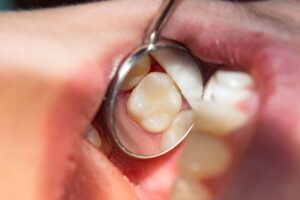
Sometimes cavities are visible. You may notice a small hole, pit, or dark spot on the surface of your tooth. In other cases, your tongue may detect a rough or chipped area that wasn’t there before. These physical changes can signal that decay has weakened the enamel.
However, not all cavities are visible to the naked eye. Some form between teeth or beneath the surface, which is why routine dental exams and X-rays are important.
Food Frequently Getting Stuck
If food consistently becomes trapped in the same area of your mouth, it could be due to a developing cavity or damaged enamel. Decay can create tiny crevices that make it easier for food particles to collect, increasing the risk of further damage.
Your dentist may detect these problem areas during a checkup and recommend a filling before the cavity grows larger.
Diagnosis During a Routine Exam
Many fillings are placed before patients notice any symptoms. During a regular checkup, your dentist will examine your teeth and may use digital X-rays to identify decay that isn’t visible. Early detection allows for smaller, less invasive fillings.
If you suspect you may need a filling, scheduling an appointment promptly can prevent more serious issues like infections or root canals. Treating decay early is typically simple, comfortable, and highly effective at restoring your tooth’s health and function.
About the Practice
At Burncoat Family Dental, we can repair tooth decay with a natural finish with our tooth-colored fillings. We use long-lasting, quality materials for excellent results, as well as the latest state-of-the-art technology. And with flexible financing options available, we make care affordable, too. Book your appointment online or call (508) 852-0168.