
Gum Disease Treatment Worcester
Helping Your Troubled Gums Heal

People often neglect their gums when they practice oral care. That’s unsurprising – teeth can seem like more crucial parts of your mouth. Even so, these pink tissues need regular cleaning as well. Going without it may lead to gum disease that ruins your oral health. That said, Burncoat Family Dental can help before things get out of hand. Just visit us for our gum disease treatment here in Worcester. For more details, please keep reading or book a visit to our office.
Why Choose Burncoat Family Dental for Gum Disease Treatment?
- Experienced & Trained Dental Team
- Picasso Diode Laser for Laser Periodontal Treatment
- Personalized Treatment Results
What Is Gum Disease?
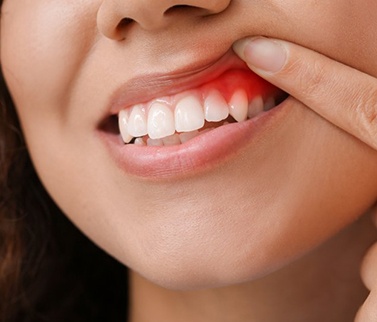
Gum disease, also known as periodontal disease, is a type of infection of the gums and the connective tissues that support the teeth. This condition is usually a result of tartar and plaque buildup due to poor oral hygiene, and it can cause damage to supportive tissue, tooth loss, or even more serious oral health risks. It can also be due to excessive alcohol consumption, tobacco use, immune disorders, or if you have a history of gingivitis. The good news, however, is that the early stage of periodontal disease can be reversed with great oral healthcare and regular dental visits. By knowing the warning signs, you can be sure to seek the care needed before the infection can result in permanent damage.
Symptoms of Gum Disease

Before it gets severe, gum disease has rather subtle symptoms. You’ll want to keep a watchful eye for its relevant signs. The most common of these are:
- Chronic Bad Breath (i.e., Halitosis)
- Gum Tenderness & Swelling
- Gum Recession
- Bleeding Gums
- Tooth Sensitivity
- Loose Teeth
- Difficulty Chewing
To learn if you have gum disease, please consult our dentists. Drs. Damerji and Alyassi will assess you and offer a final diagnosis. If your gums are infected, they’ll draft a custom treatment plan for you.
Scaling & Root Planing
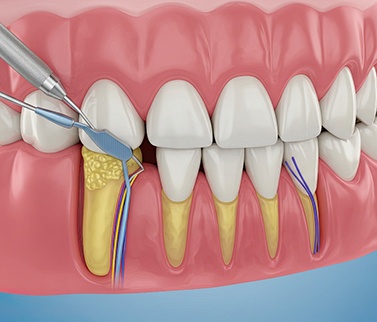
If you need gum disease treatment in Worcester, scaling and root planing may be the key to helping protect your teeth and gums from dangerous oral bacteria. This two-step process first removes harmful deposits of tartar and plaque from above and below the gumline. Then, at your second appointment, your dentist will smooth the roots of the teeth so your gums can then healthily reattach to the teeth, preventing future bacterial infections and keeping them strong.
Do I Need Scaling & Root Planing?

If you are experiencing any signs of gum disease like bleeding while brushing and flossing, receding gums, chronic bad breath, visible plaque buildup, or swollen or puffy gums, this could be an indication that it’s time for scaling and root planing.
Although the early stages of gum disease can often be reversed by improving your oral hygiene routine, if the condition has become too advanced, you may need scaling and root planing to stop its progression.
The Process of Scaling & Root Planing
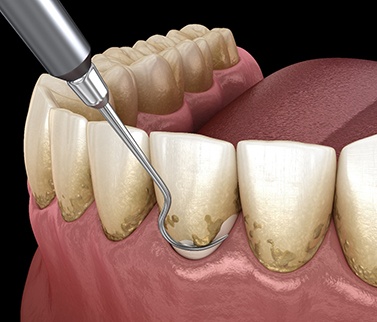
In most cases, scaling and root planing is done over the course of two appointments.
- At the first appointment, your dental team will use a tool called a scaler to remove all the plaque and tartar from the surface of your teeth, reaching as far down as the pockets of your gums will allow.
- At your second appointment, we’ll remove the hardened bacterial deposits on the roots of the teeth beneath the gumline, preventing further infection from dangerous oral bacteria.
Aftercare Tips for Scaling & Root Planing
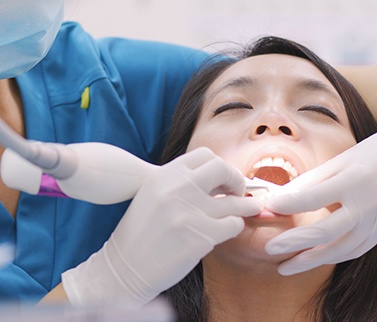
Because scaling and root planing can be such an intensive treatment, it is typically spread out over the course of several weeks so your teeth and gums can properly recover. During this time it is not uncommon for patients to experience increased sensitivity and discomfort as a natural part of the healing process.
Here are some general aftercare tips for this procedure:
- Rinse your gums well with warm saltwater after meals to help reduce irritation and loosen food and debris. This will make flossing and brushing easier. To make the saltwater, simply mix ¼ teaspoon of salt for every eight ounces of water.
- Be sure to brush and floss gently, and only use a soft-bristled toothbrush, brushing in small circular motions instead of back and forth.
- Because your teeth and gums may be sensitive to certain foods and beverages following treatment, avoid anything too hot or spicy, and don’t consume alcoholic or acidic beverages, as they can increase inflammation and cause irritation.
- Never use tobacco products like cigarettes, cigars, chewing tobacco, or vapes.
- Eat a soft diet for the first 48 hours after your procedure.
- Avoid any intensive physical activity immediately after your procedure.
Laser Periodontal Treatment
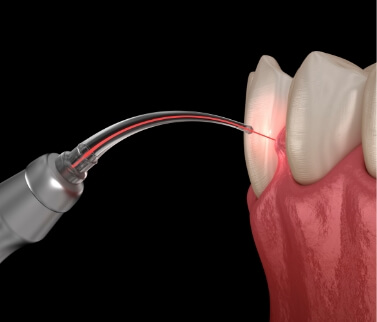
Along with scaling and root planing, we may perform laser periodontal treatment if your case is severe. This option uses our Picasso diode laser to remove your highly damaged gum tissue. So, it targets the infected parts of your gums and kills the bad bacteria on contact. The laser’s beam will also cauterize these tissues and reduce the bleeding. That way, your gums’ recovery should go much more quickly and smoothly.
Antibiotic Therapy

On top of scaling and root planing, we can give you antibiotic therapy as well. We will apply an antibiotic (in powdered form) to the site of your infection. The used antibiotic can vary. This medicine will then kill the bacteria causing your disease. From there, you should see a great reduction in gum pockets over two weeks. The infected tissues should look and feel better by the end of that period.
Gum Disease Treatment FAQs
Is Gum Disease Considered an Emergency?
Gum disease is serious, but it’s not the same as a sudden dental emergency like a knocked-out tooth. That said, you should call our office as soon as you notice signs of gum problems, like bleeding, swelling, or persistent bad breath. We’ll get you in for treatment as quickly as possible. Unlike some health issues that can improve on their own, infections in the gums only get worse over time. Left untreated, they can lead to more severe dental problems and even affect your overall health.
How Can I Prevent Gum Disease?
The good news is that gum disease is preventable with consistent habits. Brush twice a day for two minutes, making sure to clean along the gum line where plaque tends to build up. Floss daily to remove food and bacteria between your teeth, and consider a nonalcoholic mouthwash for areas your brush and floss can’t reach. Maintaining a balanced diet and avoiding tobacco also helps. Most importantly, keep up with regular dental checkups and cleanings. Professional care combined with daily home habits is the best way to protect your gums and keep your smile healthy for years.
What Are the Health Risks of Gum Disease?
When caught early, gum disease can often be treated and even reversed. If left untreated, it can lead to permanent gum damage, jawbone loss, and tooth loss. Bacteria from inflamed gums can also enter your bloodstream, increasing the chance of serious health problems like heart disease, stroke, diabetes, Alzheimer’s, and other chronic conditions. That’s why early detection and treatment are so important. Taking care of your gums isn’t just about your smile; it’s about protecting your overall health and preventing complications that can affect your entire body.